Tokyo urges men to wear shorts to work, but some women say it’s ‘leg hair harassment’

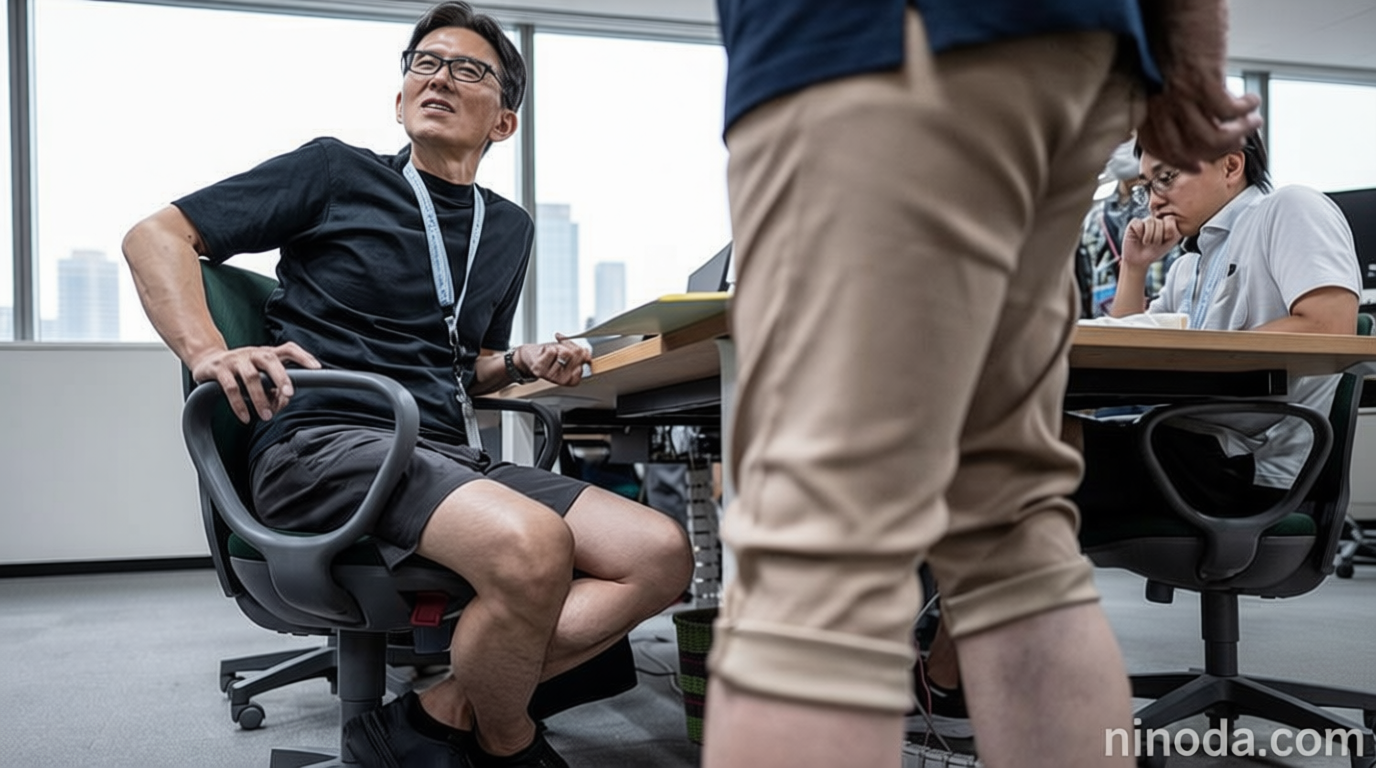
Table of Contents
Tokyo urges men to wear shorts: Tokyo's Summer Dress Code Sparks Debate Over Leg Hair Ninoda.com – As summer temperatures climb across Japan, male
Tokyo’s Summer Dress Code Sparks Debate Over Leg Hair
Ninoda.com – As summer temperatures climb across Japan, male office workers are increasingly showing more skin than usual. The Tokyo Metropolitan Government has encouraged employees to swap formal suits for relaxed clothing, including sneakers, casual shirts, and notably, shorts. This updated policy falls under “Tokyo Cool Biz,” a program Governor Yuriko Koike launched in April to build upon her well-known cooling initiative that has evolved into a beloved seasonal custom.
Now nearly four months into the new guidelines, reactions remain divided. Many appreciate the flexibility, finding it easier to concentrate in warmer conditions. However, several female workers have voiced concerns about perceived inequality. While men can display bare legs, women are still expected to wear tights. Additionally, some women have coined the term “sunehara” — or “leg hair harassment” — to describe the unease of viewing a male coworker’s exposed leg hair.
We want to give people more options in the severe heat, not tell them what to wear. There should be no issue as long as the work attire is not offensive to anyone.
Noboru Watanabe, an environmental official with the Tokyo Metropolitan Government, shared these sentiments with the BBC.
Survey Results Reveal Gender Differences
A June poll conducted by Gorilla Clinic highlighted the split in public opinion. The results showed that 53.5 percent of respondents opposed wearing shorts during summer months, while 46.5 percent supported the change. Across both genders, the primary objections centered on body shape and visible body hair. Notably, women made up the majority of survey participants, suggesting they might be more sensitive to seeing male colleagues’ bare legs.
Casual workplace attire has gained traction in Japan over recent years, particularly among startup and technology sector employees. This year’s official recommendation from Tokyo’s government has further normalized the trend. Nevertheless, some men feel self-conscious about their leg hair in this new environment.
Akifumi Funatsu, director of Gorilla Clinic, has observed an increase in clients visiting for social rather than purely cosmetic reasons. He notes that many believe men should have less leg hair, prompting them to undergo laser hair removal treatments to avoid offending others.
A History of Cooling Initiatives
Governor Koike originally pioneered this seasonal wardrobe adjustment back in 2005 when she served as Japan’s environment minister. Her “Cool Biz” campaign urged office workers to choose short-sleeved shirts instead of traditional long-sleeved options. High-ranking officials joined the effort, including then-Prime Minister Junichiro Koizumi, who frequently appeared in public without ties or jackets, helping to popularize the concept.
Following the devastating Tohoku earthquake and tsunami in March 2011, authorities expanded the program into “Super Cool Biz.” This version extended energy-saving guidelines beyond the workplace to include homes as well.
Combating Record Heat
Like many nations, Japan has endured unusually high temperatures recently, compounded by rising energy costs linked to Middle Eastern instability. Meteorologists anticipate extreme heat throughout the current summer season. The Japan Meteorological Agency has begun using the term “kokusho-bi” — meaning “brutally hot day” — to alert citizens when temperatures surpass 40°C.
According to the Fire and Disaster Management Agency, official weekly figures indicate seven fatalities and 4,580 hospitalizations due to heatstroke between July 6 and July 12. Beyond hydration and air conditioning, residents have embraced various cooling gadgets. Popular items include garments with integrated fans, disposable wet wipes, UV-blocking umbrellas, and handheld portable fans.
Experts from the Japan Academic Network for Disaster Reduction emphasize the importance of gradual heat acclimatization. They recommend beginning preparations during the rainy season, noting that the body requires several weeks to adjust to elevated temperatures. Japan’s high humidity presents an additional challenge, as it slows sweat evaporation and reduces the body’s natural cooling mechanism.
Related SEO Topics
- Home
- Artikel terkait Tokyo urges men to wear shorts
- Judge rules Trump must hand over records sought by BBC in defamation case
- Great Apes kiss and cuddle to keep the peace, says study
- UK humanitarian worker monitored for Ebola in London hospital
- Burnham pulls back on suggestion to increase income tax allowance
Frequently Asked Questions
What is Tokyo urges men to wear shorts?
Tokyo urges men to wear shorts is the main topic covered in this article, with practical context to help readers understand the subject clearly.
Why does Tokyo urges men to wear shorts matter?
Tokyo urges men to wear shorts matters because it helps readers compare options, avoid common mistakes, and make a more informed decision.
How should readers use this Tokyo urges men to wear shorts guide?
Use the key points, examples, and related links in this page as a starting point, then review the latest details before making a final decision.