‘I spent uni savings on getting my teeth fixed’ – how NHS dentist shortage is costing a fortune


I Spent Uni Savings on Getting My Teeth Fixed: NHS Dentist Shortage Costs a Fortune
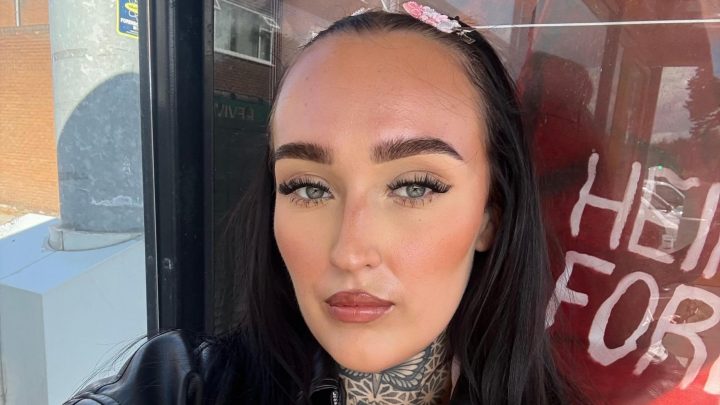
Ninoda.com – When the university term began, I spent my uni savings on getting my teeth treated, a decision that left me financially strained. After discovering two decayed fillings and a replacement needed, I had no choice but to use nearly £800 from my grandparents’ savings. Had I accessed NHS care, the treatment would have been free, as I was under 19 and enrolled in full-time education. “I was really upset, but I couldn’t wait,” I said. “If I didn’t get my teeth fixed, they’d keep worsening, and I’d have to pay even more later.”
Private Dentistry Takes a Toll on Budgets
The cost of private dental care has surged, pushing many patients like me to deplete their savings or take on debt. A UK-wide study by MyTribe Insurance found that prices for basic procedures have risen significantly over the past two years. For instance, initial consultations now average £80, up from £65 in 2021, while simple extractions have climbed to £139 from £105. Root canal treatments, which previously cost £400 through the NHS, can now reach £660 in private clinics. These increases mean that even routine care, once affordable, is becoming a major financial burden.
Patients in “dental deserts”—regions with few or no NHS dentists—are particularly affected. The General Dental Council estimates that around a third of dental treatments in the UK are privately funded, with many individuals forced into private care due to limited NHS options. This trend has been exacerbated by a shortage of dentists, leaving students and young professionals to navigate longer waiting times and higher out-of-pocket expenses.
Regulatory Concerns and Rising Costs
The Competition and Markets Authority is now scrutinizing the private dental sector to determine if dentists are capitalizing on the NHS shortage. The investigation focuses on pricing trends and how providers present treatment options to patients. Healthwatch England has raised concerns, noting that private dentistry is “too expensive” for those in rural or economically disadvantaged areas. For these patients, the lack of NHS access means that even essential care can feel unattainable.
My experience highlights the growing frustration among individuals who rely on private dentistry. For example, a 32-year-old single mother from Suffolk, Sophie Bingham, faced additional challenges when her maternity exemption certificate didn’t cover private check-ups. “I was paying £70 for each appointment, but couldn’t afford as many as I would have liked,” she explained. “Pregnancy definitely affected my teeth, and I was entitled to free care through the NHS.”
The Impact of NHS Shortages on Students and Families
University students, in particular, are vulnerable to these financial pressures. Many rely on limited savings or part-time work to cover tuition fees, accommodation, and other essentials. When dental issues arise, the cost of private treatment can quickly eat into these resources. For instance, I spent my uni savings on getting the necessary care, which left me with less money for books and other necessities. This situation is not unique; numerous students have shared similar stories of having to use personal funds to address dental problems.
The British Dental Association (BDA) acknowledges the strain but argues that price hikes are justified by sector inflation. Eddie Crouch, the BDA’s chair, stated that while millions choose private care voluntarily, others are “forced to do so or simply go without the treatment they need.” However, critics like Healthwatch England contend that the rising costs are disproportionately impacting those with fewer financial resources. As NHS dentists become scarcer, the gap between public and private care is widening, leaving many to pay a fortune for what should be a basic service.