‘They destroyed the future’: Palestinian anger at rise in Israeli demolitions in East Jerusalem

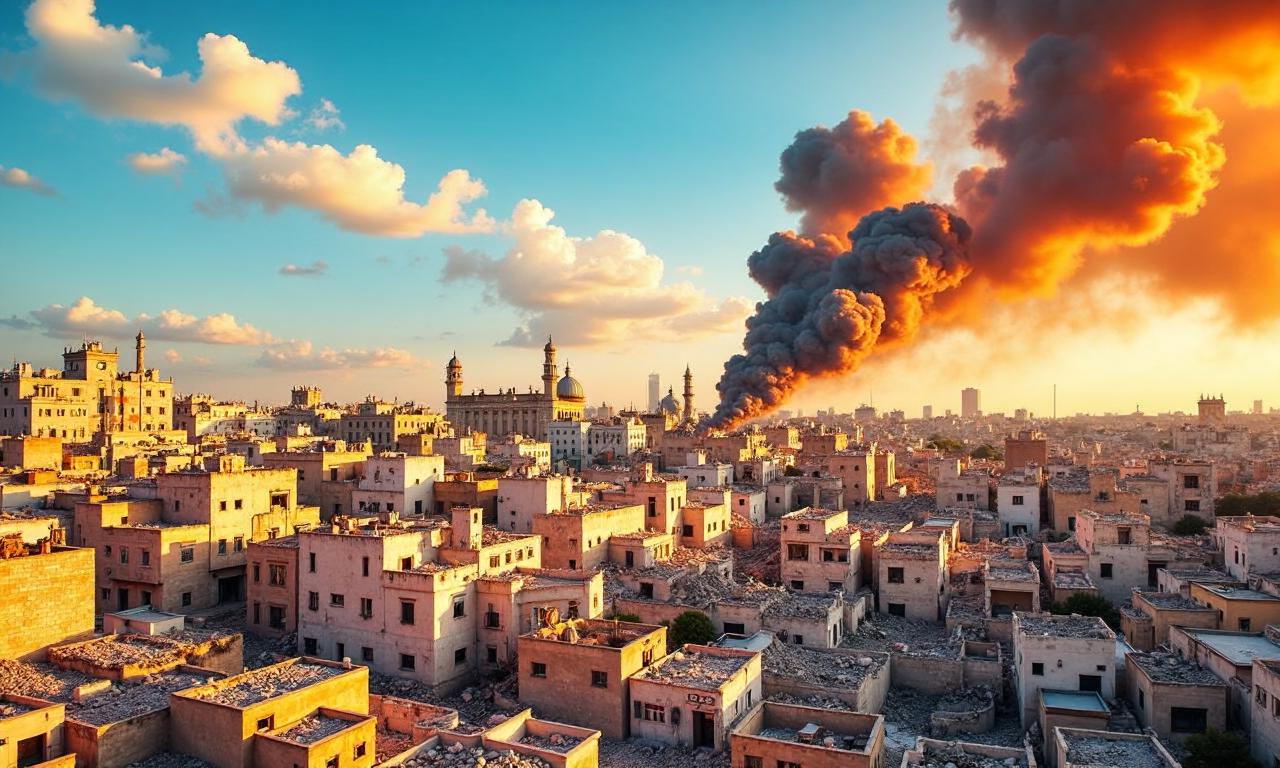
Israeli Demolitions in East Jerusalem: ‘They Destroyed the Future’
Ninoda.com – In East Jerusalem, the sound of demolition has become a familiar echo, as Israeli excavators dismantle Palestinian homes in the al-Bustan district of Silwan. Over the past year, 59 properties have been destroyed in this area, intensifying displacement amid global focus on conflicts in Gaza, Iran, and Lebanon. The phrase ‘They destroyed the future’ has resonated deeply with residents, encapsulating their frustration over losing not just homes, but the possibility of a stable future in the city they have called home for generations.
Displacement and the Struggle for Control
Jerusalem, a city sacred to Jews, Christians, and Muslims, remains at the heart of the Israel-Palestinian conflict. Following the 1967 Middle East War, Israel took control of East Jerusalem, including its holy sites, and later formalized its claim through annexation. The eastern neighborhoods, such as Silwan, are now under pressure as Israeli authorities push for expansion. The ongoing demolitions are part of a broader strategy to resettle these areas, often displacing families without adequate compensation or alternatives.
The Jerusalem Municipality has long advocated for the King’s Garden project, a park envisioned to be managed by Jewish settlers. Court-ordered demolitions have accelerated this plan, with homes in al-Bustan targeted for removal. While the municipality argues the project benefits all residents, Palestinians see it as a deliberate effort to erase their presence. International law considers such population transfers from occupied territories as illegal, yet the process continues, fueled by geopolitical shifts and the city’s strategic importance.
Voices of Resilience and Loss
“There is no future. They destroyed the future and everything else,” says Fayez Awad, 58, as he sits in the final remaining floor of his home. “We dedicated our lives to building this house. It’s the only legacy we have left. They’ve returned us to square one, along with our children.”
Residents in al-Bustan describe their negotiations as futile, with half the neighborhood’s homes already demolished. Some have taken matters into their own hands, smashing their properties to avoid exorbitant fines. This act of defiance underscores the desperation of families facing imminent loss. For Fakhri Abu Diab, a local activist, the situation is both painful and isolating. “Israel is using the geopolitical climate to finalize this. They destroyed the future, and now we’re left with nothing but rubble.”
Demolitions in Silwan are not just about land; they are about control. The area’s proximity to the al-Aqsa Mosque compound—Judaism’s holiest site and Islam’s third holiest—makes it a flashpoint for both communities. Israeli settlers view the region as vital for expanding their presence, while Palestinians see it as a battleground for their rights. The conflict has turned the once-thriving neighborhood into a symbol of eroded hope.
With 200 Palestinian households under eviction orders, the Israeli government’s strategy to consolidate control appears to be accelerating. The City of David archaeological initiative, part of a larger effort to reshape Silwan, is being used to justify the displacement. Meanwhile, families in Batn al-Hawa, another Silwan neighborhood, are labeled ‘illegal squatters,’ despite their long-term residency. Israeli law bars them from reclaiming properties historically owned within the city, deepening their sense of marginalization.
The rising demolitions in East Jerusalem have become a defining feature of the city’s landscape, with each structure lost representing a chapter in the struggle for identity and sovereignty. As the conflict continues, the future of East Jerusalem’s residents hangs in the balance, their lives disrupted by a campaign that, for many, has become a stark reminder of the phrase ‘They destroyed the future.’ The international community watches closely, but the voices of those on the ground remain the most poignant testament to the human cost of the displacement.