OnlyFans ‘agents’ control and threaten creators while taking half their earnings, BBC finds

OnlyFans Agents Control and Threaten Creators, BBC Investigation Reveals
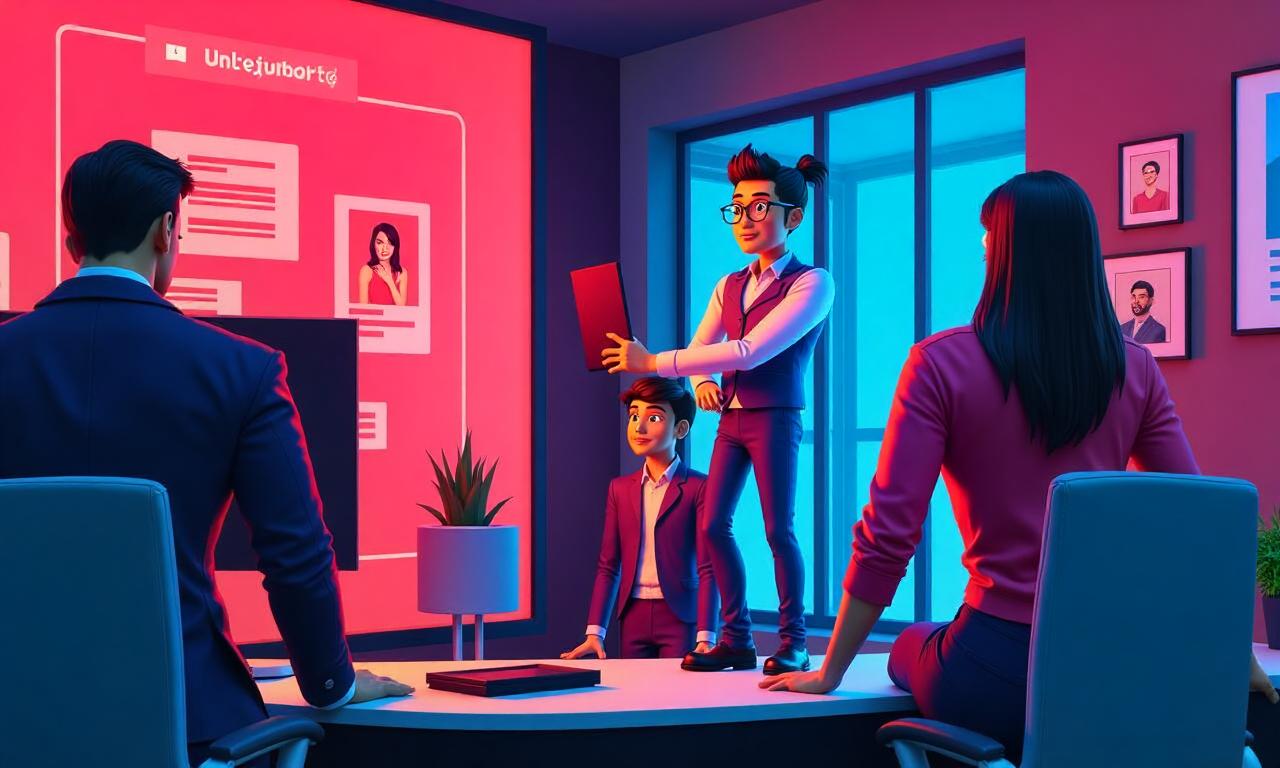
Ninoda.com – OnlyFans agents control and threaten creators, according to a BBC investigation that highlights the growing power of management agencies on the platform. The report, based on interviews with 60 UK-based creators and analysis of a prominent Telegram group, OFM Empire, reveals how these intermediaries can dominate content producers’ lives, impose strict financial demands, and resort to intimidation. The findings underscore concerns about the balance of power between creators and their agents, with some individuals allegedly taking up to 70% of their earnings while enforcing control over personal and professional decisions.
The Hidden Power of Management Agencies
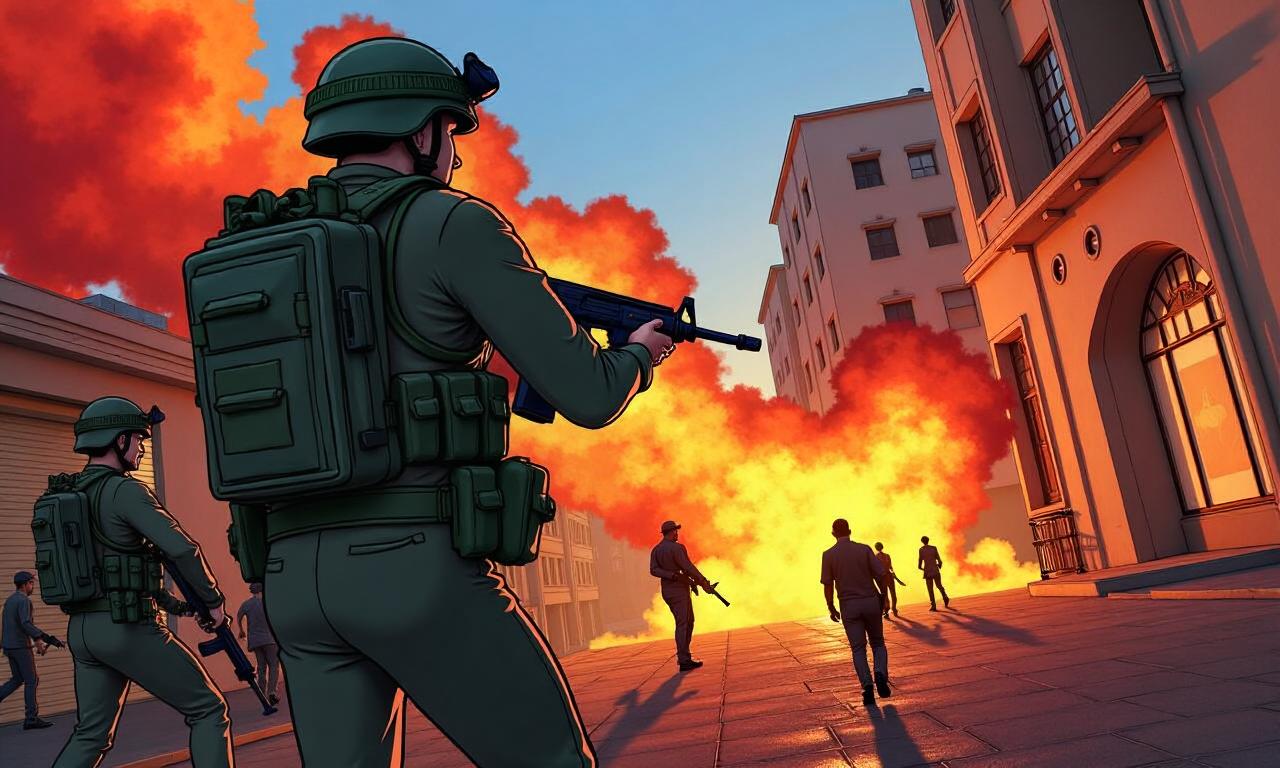
Behind the scenes of OnlyFans, management agencies have emerged as influential players, often operating with minimal oversight. These entities claim to offer support in managing subscriptions, branding, and content strategy, but their methods frequently blur the line between assistance and domination. In interviews, creators described how agents could dictate schedules, monitor social media, and even threaten to expose personal details or withdraw financial support. One woman shared how her manager threatened to write her and her daughter off after she attempted to change her account login, a move seen as a direct challenge to the agency’s authority.
“They said if I didn’t comply, they would ruin my life,” another creator explained, illustrating the psychological pressure exerted by these agencies. The BBC’s analysis of contracts and messages from OFM Empire showed that some agents demand full access to creators’ accounts, enforce strict revenue-sharing agreements, and penalize those who seek to break free. This system, while marketed as a pathway to success, often leaves creators in precarious situations, with limited ability to negotiate terms or exit relationships.
Exploitation and Financial Control
The financial model of OnlyFans agencies raises significant questions about equity. While the platform retains a 20% cut from each transaction, agencies can take up to 50% of a creator’s income, leaving them with only a fraction of their earnings. Some contracts require creators to pay upfront fees for “training” or “support,” further reducing their profits. Legal experts warn that these practices can trap creators in cycles of debt, especially when combined with emotional manipulation or threats of cancellation. The BBC’s report also highlights how agencies can leverage their control to pressure creators into posting explicit content or maintaining a specific image.
OnlyFans’ Response and Regulatory Challenges
OnlyFans has acknowledged the issue of exploitative management agencies, particularly after international media reports exposed their practices. However, the platform’s response has been limited, with a spokesperson stating that it meets all obligations under the Online Safety Act but cannot review external contracts. Critics argue this leaves creators vulnerable, as agencies can operate with little accountability. The BBC’s investigation suggests that the UK, where OnlyFans is headquartered, needs stronger regulations to address the growing concerns about agency power and creator autonomy.
Global Impact and Creator Testimonials
With over 4.6 million creators worldwide, the influence of OnlyFans agents extends beyond the UK. The platform’s parent company, Fenix International Limited, reported $684 million in annual pre-tax profits, highlighting its economic significance. Yet, many creators feel their livelihoods are tied to agencies that prioritize profit over well-being. Gia Clarke, an early adopter of OnlyFans, noted that she receives more messages from agencies than from fans, emphasizing the aggressive outreach tactics used to secure long-term commitments. “The idea is to create dependency,” she said, adding that some agencies are “more like predators than partners.”
Call for Reform and Creator Empowerment
Human rights organizations and legal advocates are urging action to protect creators from exploitative practices. Eleanor Lyons, the UK’s independent anti-slavery commissioner, described the situation as a form of modern servitude, where control, coercion, and the threat of violence create an environment of fear. The BBC’s findings suggest that creators often lack legal recourse or awareness of their rights, making them easy targets for agencies that operate in the shadows. As the platform continues to expand, calls for reform are growing, with demands for clearer guidelines, transparency in revenue splits, and stronger safeguards to ensure creators are not sidelined by the very institutions that claim to support them.