Burnham on course for No 10 as Labour nominations open

Burnham on course for No 10 as Labour nominations open
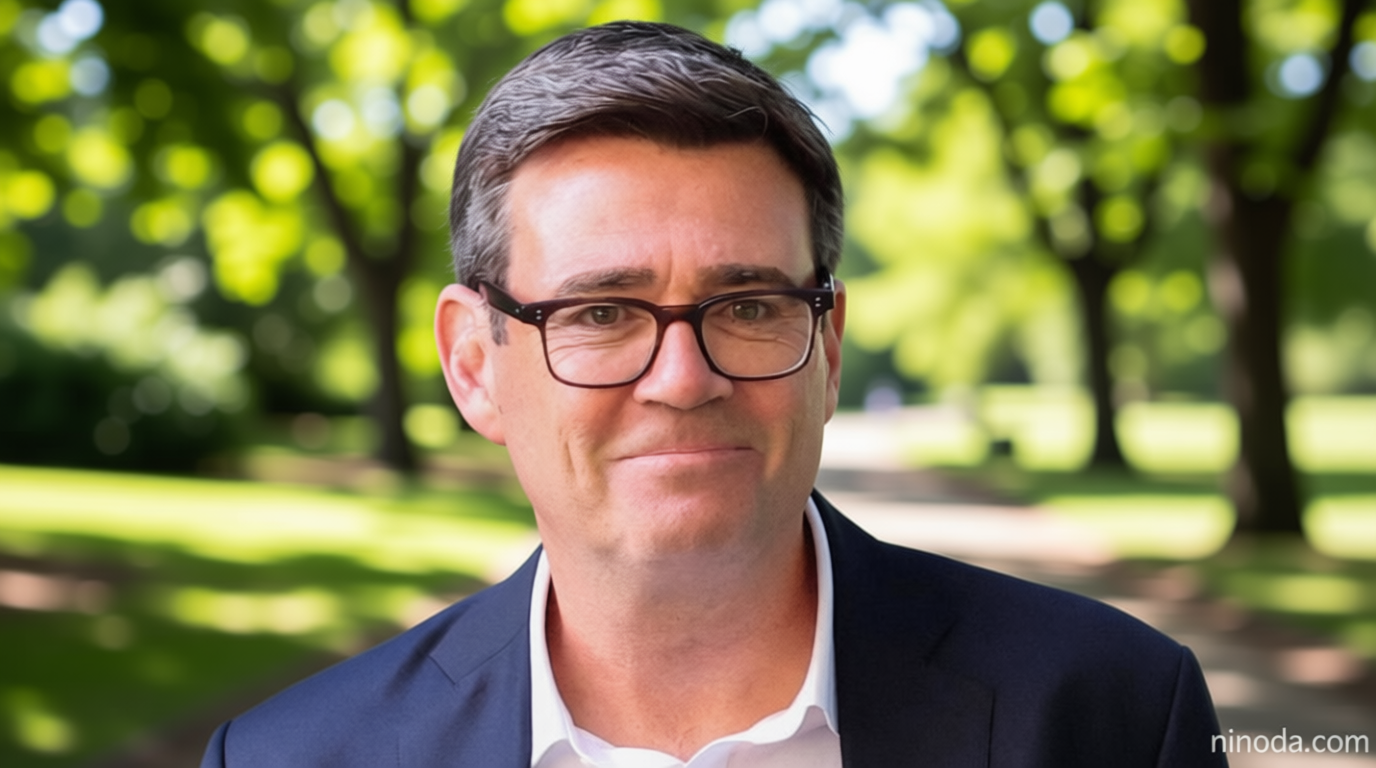
Ninoda.com – With Labour’s leadership nominations now open, Andy Burnham is emerging as the frontrunner to secure the party’s top role, putting him on a clear path to becoming the next prime minister. The leadership race, which has seen no significant opposition to Burnham’s candidacy, is shaping up to be a decisive moment for the Labour Party as it prepares for a pivotal phase in its political strategy. If Burnham receives the required support from 81 MPs and 32 local branches, he will be formally confirmed as leader by the end of the week, setting the stage for his ascension to Number 10 by 20 July. This development has sparked widespread speculation about his readiness to lead the country and the potential impact of his policies on the UK’s future.
Burnham’s unopposed candidacy has been fueled by the withdrawal of key rivals, including former MP Al Carns, who stepped down from the race on Wednesday. Carns had initially expressed interest in running but ultimately decided against it, leaving the leadership contest open to Burnham. This move has been welcomed by many within the party, who view Burnham as a pragmatic leader capable of steering Labour through the challenges ahead. His growing support base includes prominent figures like Wes Streeting, whose endorsement has further solidified his position. With no other contenders emerging, the race appears to be a formality, and Burnham’s name is now closely tied to the prospect of becoming the next head of government.
Leadership Requirements and Nominations
To clinch the Labour leadership, Burnham must secure endorsements from 81 MPs, which is the threshold required to ensure a majority in the final vote. In addition, he needs support from 32 local party branches, three socialist societies, or trade unions to meet the nomination criteria. The deadline for gathering these votes is set for Wednesday next week, with an early count expected on Thursday evening. If Burnham achieves 323 MPs’ backing, the math becomes clear: no other candidate could possibly reach the 81 MP threshold, effectively ending the race and ensuring his dominance in the selection process.
“It’s all starting to feel very real,” Burnham wrote in a social media post, confirming his nomination. He added with a touch of humor, “hopefully third time lucky,” referencing his earlier unsuccessful bids in 2010 and 2015. The post was met with enthusiasm from party members and supporters, who see Burnham’s leadership as a stabilizing force for Labour. His strategic focus on key issues like economic reform and public services has resonated with voters, making his candidacy a strong contender for the party’s future direction.
Burnham’s path to power is already shaping up, with no formal vote required for Labour members or trade unionists. This streamlined process has been a point of contention among some within the party, as it reduces the influence of grassroots members in the selection. However, it also allows Burnham to bypass lengthy debates and consolidate his position. His plans for office include a new unit in Manchester to decentralize control over housing and transport, as well as greater public oversight of the UK’s water and energy sectors. While specifics of these proposals remain under development, they signal Burnham’s intent to focus on practical, locally relevant policies that align with Labour’s broader goals.
Policy Priorities and Leadership Transition
Burnham’s leadership bid has been underpinned by a clear emphasis on transparency and efficiency in government. In a recent speech, he outlined his vision for the party, highlighting the importance of streamlining military procurement to ensure value for money. He also aims to retain Sir Keir Starmer’s national security adviser, Jonathan Powell, while pushing for increased defence spending. Starmer had previously announced a £15bn boost in military funding over four years, and Burnham’s plans are expected to build on this commitment, though the exact details of his approach remain to be finalized.
Burnham’s absence from Westminster since 2017 has limited his direct connections with newer MPs, but his upcoming hustings will provide an opportunity to engage with the party’s younger members and address their concerns. Discussions with civil servants, led by Cabinet Secretary Antonia Romeo, are ongoing to refine his policy proposals and ensure they are well-aligned with the nation’s needs. This collaborative approach has been praised by some as a sign of Burnham’s ability to work across different political layers, though critics argue it may not be enough to counter potential challenges in the final stages of the leadership race.
As Burnham’s candidacy gains momentum, the political landscape is shifting, with his potential rise to No 10 sparking both optimism and debate. Supporters argue that his leadership could provide the stability needed to navigate the complex challenges facing the UK, while skeptics question his ability to unite the party or address the pressing issues of climate change, economic inequality, and social cohesion. Nevertheless, with the current momentum and lack of opposition, Burnham is increasingly seen as the clear choice to lead Labour into the next phase of its political journey. His path to power, however, will still require careful navigation of the remaining steps in the nomination process.