Fatigue? The World Cup players who have had toughest seasons

Fatigue? World Cup Players Facing the Most Grueling Seasons
Ninoda.com – The football calendar has not paused for the past three summers, with players navigating a relentless schedule that includes the Euros, Club World Cup, and now the World Cup. This continuous demand has left many top talents questioning their endurance. The 2025 summer typically serves as a recovery period, but FIFA’s decision to host the expanded Club World Cup during this time has disrupted that rhythm. As a result, 74 players competing at the World Cup have barely had a break in three years.
The Impact of the Club World Cup on Players
BBC Sport analyzed the total minutes played by every member of the top 10 FIFA-ranked nations’ 26-man squads, data collected from June 15, 2025—when the controversial Club World Cup began. This revealed which teams are carrying the heaviest loads and which players are most affected by accumulated fatigue. The question remains: how will this strain influence their performance in the World Cup?
France: Battling Heat and Exhaustion
France must contend with both scorching temperatures and physical exhaustion if they aim to secure a third World Cup title.
Didier Deschamps’ team has logged more matches (1,341) and minutes (98,895) than any other leading nation, with standout contributions from Crystal Palace’s Maxence Lacroix. The 26-year-old defender has started 58 games and played 5,009 minutes, though he’s only expected to be on the squad. Meanwhile, Bayern Munich’s Michael Olise, a former Palace player, has made the most appearances (65) but is second in minutes (4,942) due to frequent substitute roles. Olise is one of 11 French players participating in the Club World Cup.
Portugal and Germany: High Workloads
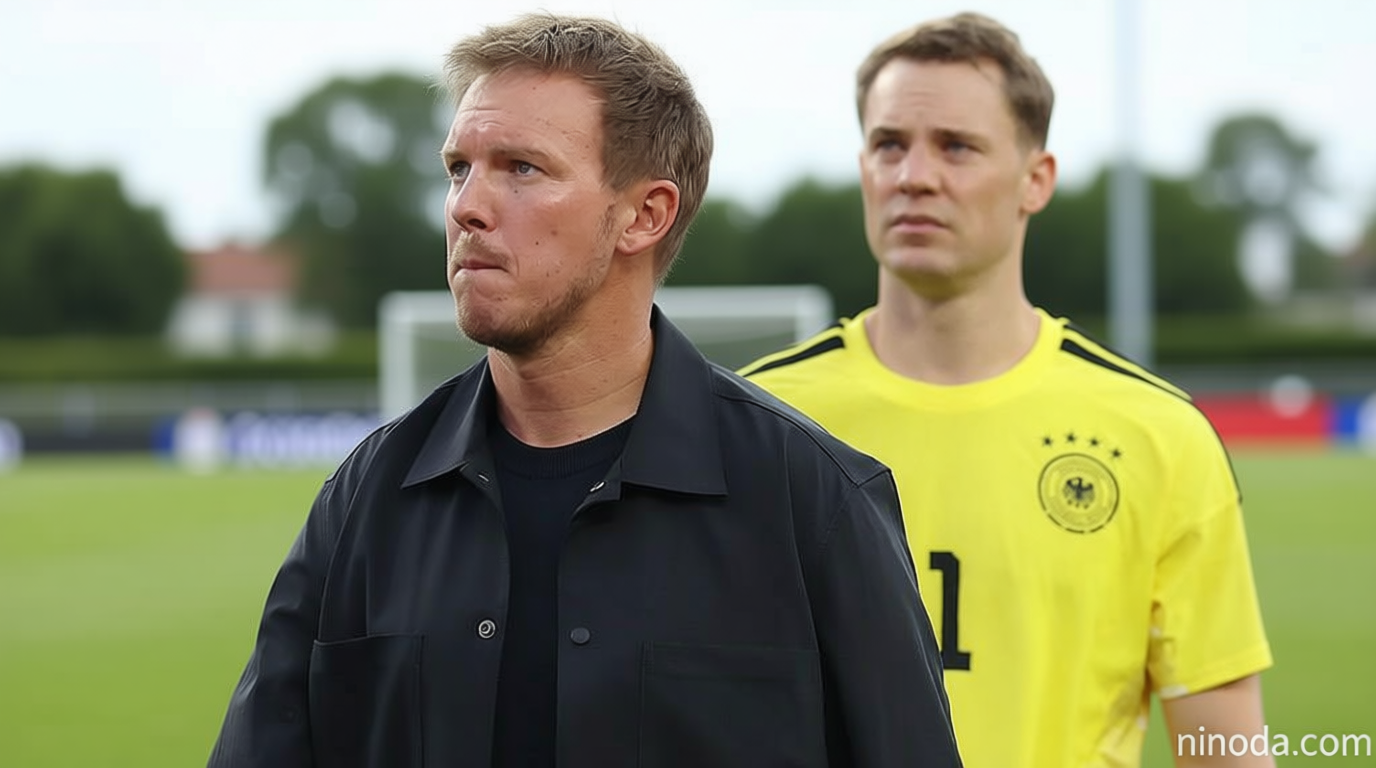
Portugal ranks second in the squad rankings, with 1,299 matches totaling 96,405 minutes. Roberto Martinez’s squad would have been higher if Bruno Fernandes and Diogo Dalot had played more in the UEFA Champions League with Manchester United. Meanwhile, Germany has 12 players involved in the Club World Cup, with only three starters in the FIFA World Cup squad. The Bundesliga’s Jonathan Tah has played the most minutes (4,923) in Julian Nagelsmann’s group.
England and Spain: Balancing Load and Injuries
England is third, with Thomas Tuchel’s team playing 1,304 matches but fewer starts (1,051) than Portugal (1,092). Harry Kane’s 63 games for Bayern Munich highlight concerns over his workload. Spain’s stats are dampened by injuries, particularly to Rodri and Gavi. Only Belgium’s Romelu Lukaku has made fewer appearances (nine) than Gavi’s 14, despite Spain’s squad having seven players with over 50 starts.
Brazil and Argentina: Potential and Challenges
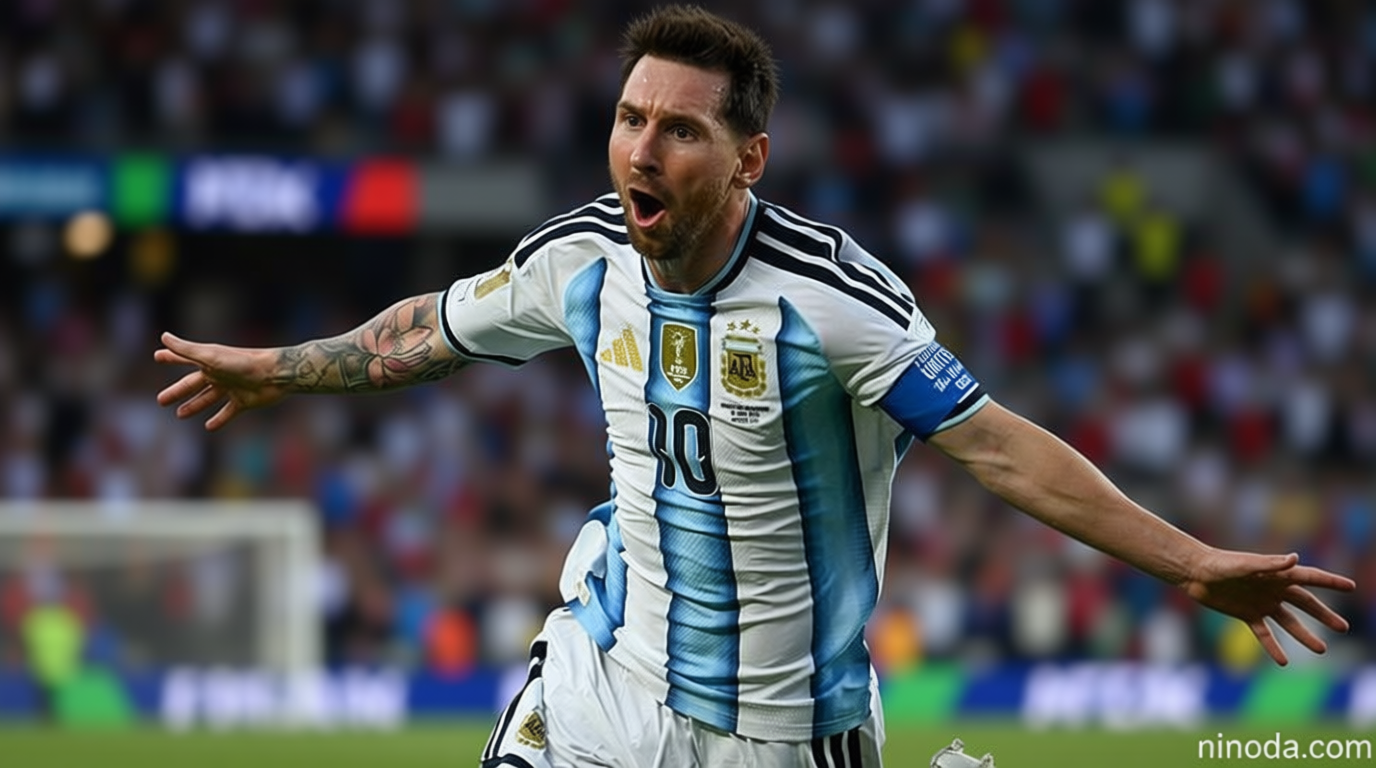
Brazil’s squad may have an advantage with three players starting 50 or more games, and their ability to adapt to hot conditions could be a key factor. Real Madrid’s Vinicius Junior has appeared in 67 matches, while Flamengo’s Leo Pereira has logged the highest minutes (5,559). Argentina, aiming to defend their Qatar title, has four players with over 50 starts. Among them, Palmeiras’ Jose Manuel Lopez has made 76 appearances, 59 as a starter, with 5,174 minutes played. This matches Chelsea’s Enzo Fernandez (5,173 minutes) despite his 65 appearances. Lionel Messi, turning 39 in late 2025, has played 51 games, with just three as a substitute.
Key Players and Their Seasons
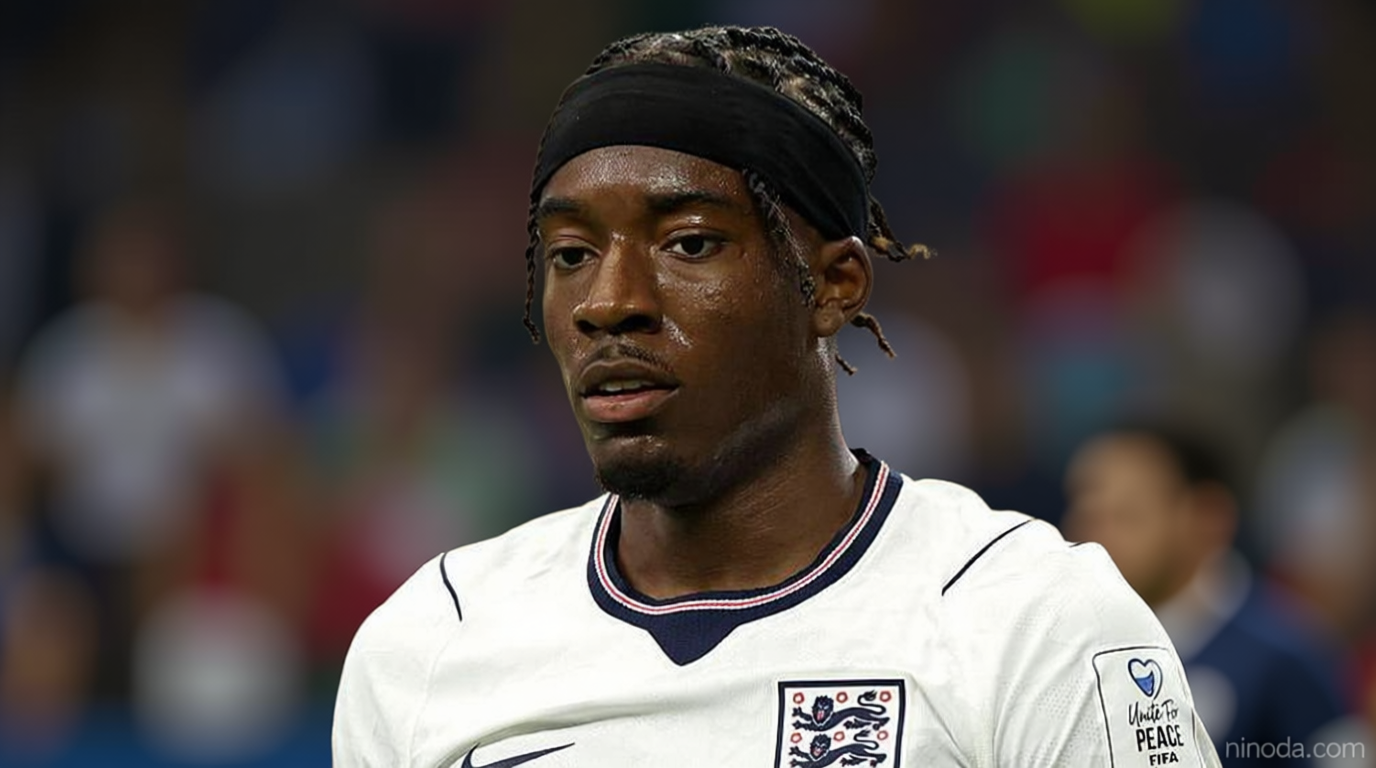
Aston Villa’s Morgan Rogers has been the most active English player, featuring in 64 games across 5,037 minutes. This places him in the World Cup squad’s top tier. Meanwhile, Spain’s Martin Zubimendi (63 games) and Marc Cucurella (4,981 minutes) are among the most utilized. The data underscores how the World Cup’s timing overlaps with club commitments, testing the limits of even the most seasoned athletes.