Gasly’s Monaco third place reinstated after appeal

Gasly’s Monaco Third Place Reinstated After Appeal
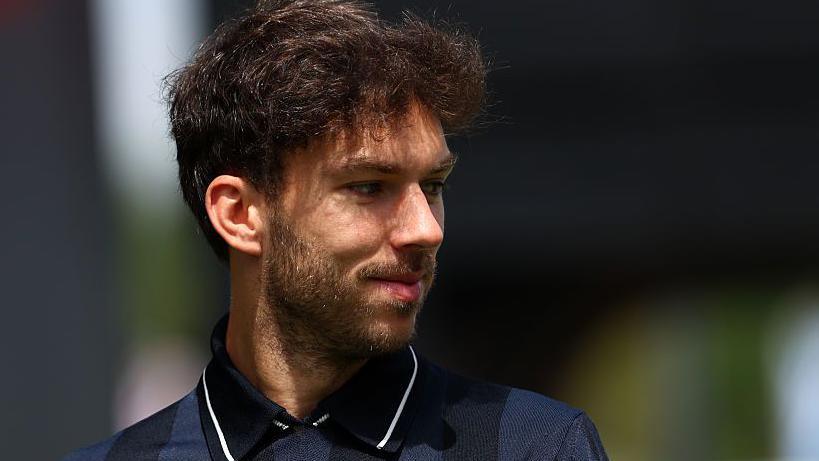
Ninoda.com – Pierre Gasly’s third-place finish at the Monaco Grand Prix has been officially restored following a successful appeal by his Alpine team. The French driver had initially been penalized for exceeding the pit-lane speed limit, which dropped him from third to seventh place. This change had a ripple effect on the overall standings of the Formula One championship, altering the competitive landscape for several drivers. The decision to reinstate Gasly’s position underscores the importance of technical scrutiny in Formula One, as even minor discrepancies in measurement can significantly impact race outcomes and driver rankings.
The Technical Basis of the Appeal
Alpine’s appeal centered around the measurement of pit-lane distances, arguing that the original penalty calculation was based on outdated data. According to the team, the revised system for measuring pit-lane speeds had introduced a new methodology, which allowed for a more accurate assessment of the distance covered during the incident. This adjustment revealed that Gasly’s car had only exceeded the 60km/h limit by 0.4km/h, a marginal breach that warranted a review. The FIA stewards acknowledged the technical argument, leading to the reversal of the initial penalties and the reinstatement of Gasly’s third-place finish.
“The stewards reviewed the new data provided by Alpine and confirmed that the initial penalty had been applied incorrectly. This highlights the need for continuous updates to the rules as technology and track conditions evolve,”
said a representative from the FIA in a post-race statement. The decision also emphasized the role of timing loops in enforcing pit-lane speed limits, which are critical for ensuring fair competition and safety during pit stops.
Championship Implications and Driver Reactions
The reinstatement of Gasly’s third-place finish not only corrected his position but also reshaped the standings for several other drivers. George Russell, who had taken third place before the penalties, dropped to 13th after receiving a drive-through penalty. Meanwhile, Oscar Piastri of McLaren lost three positions, and Lewis Hamilton of Ferrari had his penalty mitigated during a safety-car period. The Alpine team expressed satisfaction with the outcome, while McLaren has announced its intention to challenge the ruling, citing concerns over consistency in penalty applications across the field.
Franco Colapinto, Gasly’s teammate, also faced a similar penalty but was able to retain his position after the decision. The revised standings have reignited discussions about the fairness of penalties in Formula One, particularly regarding the impact of technical rules on driver performance. Gasly’s reinstatement has provided a morale boost to his team, as it reinforces the value of precise data analysis in high-stakes racing scenarios.
Broader Context of Pit-Lane Rules
Monaco’s tight and historic circuit is known for its narrow pit lanes, which make speed control a crucial element of race strategy. The recent modifications to the pit lane, reducing the shortest route by 77 centimeters, have introduced new challenges for drivers and teams. This change was implemented to ensure compliance with the 60km/h limit, but it has also sparked debates about its effectiveness in real-world conditions. Gasly’s case serves as a prime example of how these adjustments can influence race results, even for drivers who were initially penalized for minor infractions.
The incident has also raised questions about the transparency of penalty calculations. While the FIA stewards have acknowledged the technical oversight, some teams argue that the process lacks clarity, particularly when it comes to determining the exact distance covered in the pit lane. This has led to calls for more detailed explanations of how measurements are conducted, ensuring that drivers and teams are fully informed about the rules that affect their performance. Gasly’s appeal has set a precedent for future challenges, demonstrating the potential for rule revisions to reshape the championship dynamics.
Season Outlook and Future Challenges
With five of six penalties now deemed minor, the revised decision has highlighted the significance of Gasly’s case in the broader context of the season. The reinstatement of his third-place finish not only impacts his own standing but also provides a strategic advantage for Alpine in the remaining races. As the Formula One calendar progresses, teams will closely monitor how the FIA applies these rules, particularly in circuits with similar pit-lane challenges. The Pirelli F1 tyre contract extension until 2028 further underscores the importance of maintaining a balance between performance and safety, as the tyre’s behavior can influence both speed and handling during critical moments in the race.
The controversy surrounding Gasly’s Monaco finish is a testament to the intricate nature of Formula One regulations. While the appeal has resolved this particular issue, it has also exposed potential inconsistencies that could affect other drivers in future races. Teams are now likely to scrutinize their pit-lane data more carefully, ensuring that any minor breaches are accounted for in the evolving rules. This incident has added a new layer of complexity to the sport, where technical precision and rule interpretation play a pivotal role in determining outcomes. As the season continues, the focus on pit-lane speed limits will remain a key talking point for fans, analysts, and teams alike.