The rise and rise of ‘Meatball’ McGinn

The rise and rise of ‘Meatball’ McGinn
A Family Legacy in Football
Ninoda.com – McGinn’s journey is steeped in a footballing family that has left its mark on Scottish sports history. His late grandfather, Jack, once held prestigious roles as Scottish FA president and Celtic chairman, while his father, Paul, played alongside Scotland internationals Andy Robertson and Lawrence Shankland at Queen’s Park. Stephen, the eldest brother, has carved his own path as a coach, currently contributing to Falkirk’s backroom staff. The family’s dedication to the game has created an environment where ambition thrived, even in the face of challenges.
From Clydebank to the Premier League
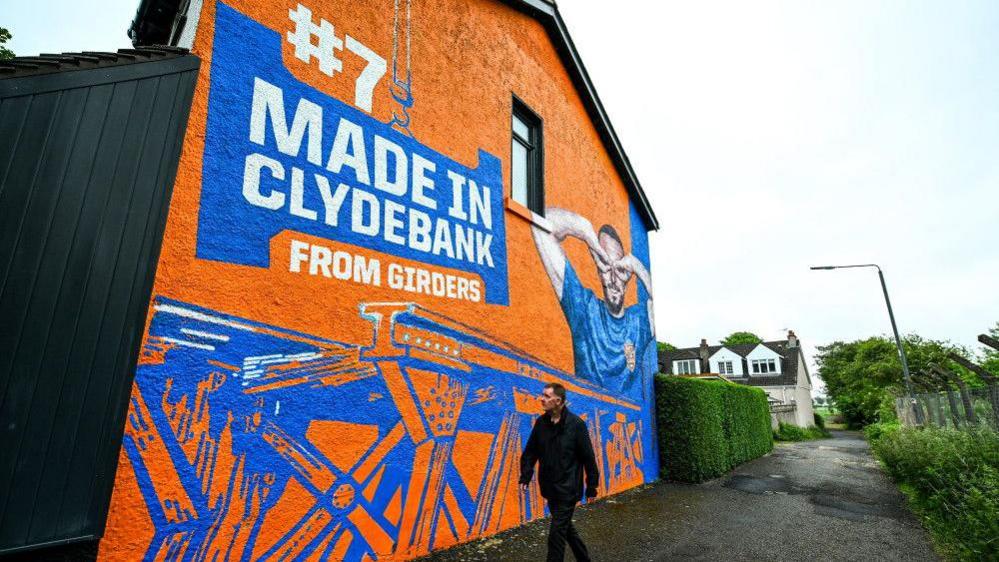
Born in a working-class neighborhood on Glasgow’s outskirts, McGinn’s path to professionalism was far from conventional. His early years were spent on Clydebank council pitches, where a makeshift goal was built by his mother after persistent negotiations with the local authorities. The boy dreamed of emulating Henrik Larsson, later shifting his focus to Shunsuke Nakamura, but his determination was fueled by witnessing his brother Stephen’s debut for St Mirren. This moment ignited his own pursuit of a career in the sport.
The Turning Point at St Mirren
McGinn’s breakthrough came with St Mirren, where he became a key figure in the club’s revival. His resilience, despite being smaller than his peers, earned praise from former manager Danny Lennon, who called him “a revelation” for his heart and work ethic. Yet, his career was not without turbulence. A training-ground incident involving a prank by teammate Steven Thompson left him injured, nearly derailing his progress. Two years later, he found new momentum, becoming part of St Mirren’s historic Scottish Cup win and later helping Hibernian end their 114-year wait for the same honor.
Aston Villa’s Rise and the World Cup Dreams
McGinn’s recent triumphs have cemented his status as a modern Scottish football icon. Last month, he played a pivotal role in Aston Villa’s first major trophy in three decades, marking a career high. At 31, he has also achieved his personal best in goal-scoring for the club. These successes set the stage for his nation’s first men’s World Cup match in 28 years, where he will once again be a vital player. His ascent has been relentless, yet almost imperceptible—like a slow-burn flame that only now reaches its peak.
Defying Odds and Making History
McGinn’s story is one of overcoming long odds. With fewer than 1% of UK youths making it to the professional ranks, his family’s support and his own tenacity have been critical. His mother’s persistence in creating a playing space for him and his brothers is a testament to that. While others in his community faced the same barriers, McGinn chose to fight. Now, as he dances to Scotland’s tune, his journey from Clydebank’s streets to the global stage is a narrative of grit, growth, and triumph.
“He wasn’t the biggest, but he had the heart of a lion,” said former St Mirren manager Danny Lennon, recalling McGinn’s early days.
“He was a revelation,” added Lennon, who guided Paisley to a League Cup victory in 2013. “It was clear he had something special.”
“He might have dismissed him as just another small-town player,” said Neil Lennon, former Hibs manager, who once criticized McGinn after a loss to his brother’s team. “But that was a momentary setback.”